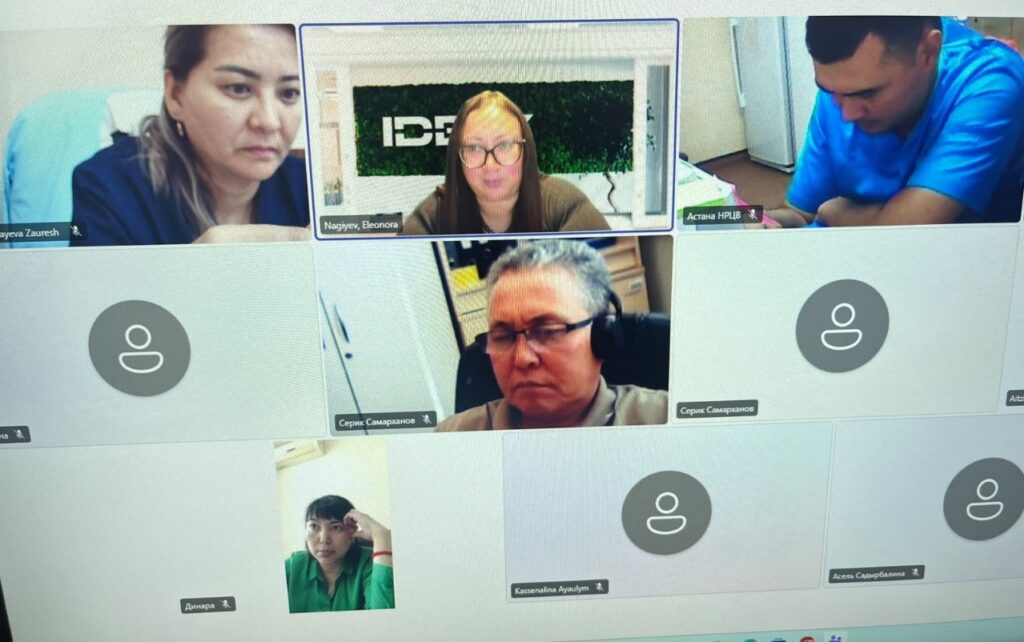
In September 2026, an online training course was conducted for specialists of the Laboratory for Diagnosis of Infectious Diseases of the NRCV in Astana and its Almaty Branch on the use of the IDEXX HerdChek BSE-Scrapie Antigen Test Kit, which is used for testing transmissible spongiform encephalopathies, including bovine spongiform encephalopathy (BSE).
Bovine spongiform encephalopathy (BSE) is a progressive neurological disease of cattle caused by abnormally folded proteins known as prions. The disease is of significant importance for animal health, food safety, and international trade in animals and animal products. Classical BSE is included in the list of diseases of the World Organisation for Animal Health (WOAH), and BSE risk status is one of the official statuses recognised by WOAH.
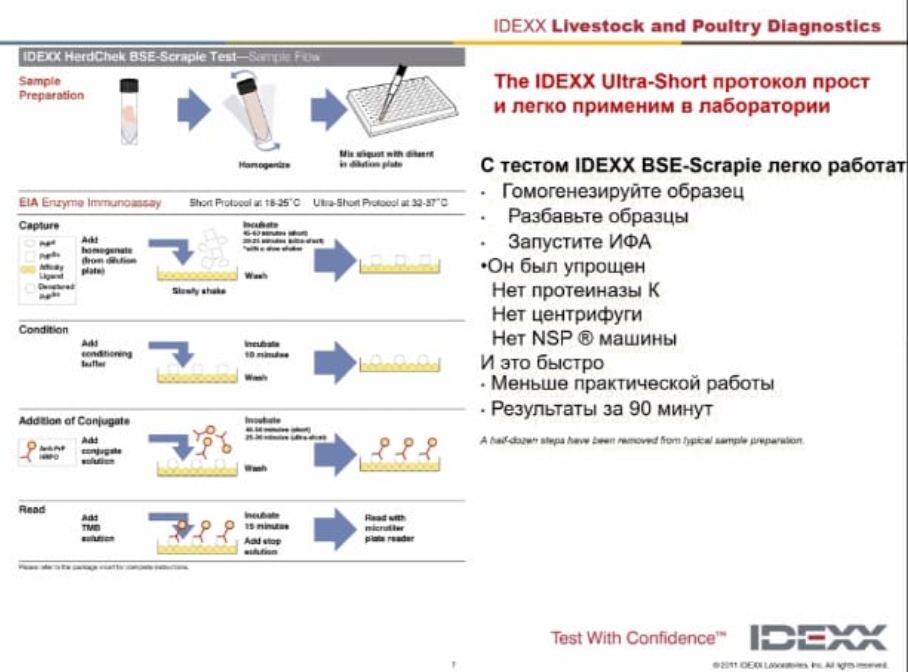
In this regard, systematic BSE surveillance, continuous improvement of laboratory diagnostics, and maintaining the preparedness of specialists are important for the veterinary services of the Republic of Kazakhstan. Surveillance testing enables the timely detection of potential cases, supports epidemiological surveillance, and provides objective data for assessing the epidemiological situation and confirming the country’s animal health status.
The training was delivered by technical service consultants from IDEXX Laboratories. During the training, participants reviewed the specifics of conducting diagnostic tests, requirements for testing and interpretation of results, as well as new approaches and developments in this area of laboratory diagnostics.
As part of the training, the updated IDEXX xChekPlus software was also installed for NRCV specialists. Participants were introduced to its functionality and operating procedures, as well as the processing and interpretation of laboratory test results.
The training enabled NRCV specialists to update their theoretical knowledge and practical skills in BSE laboratory diagnostics and the use of IDEXX diagnostic systems.
Upon completion of the training, participants were awarded certificates.