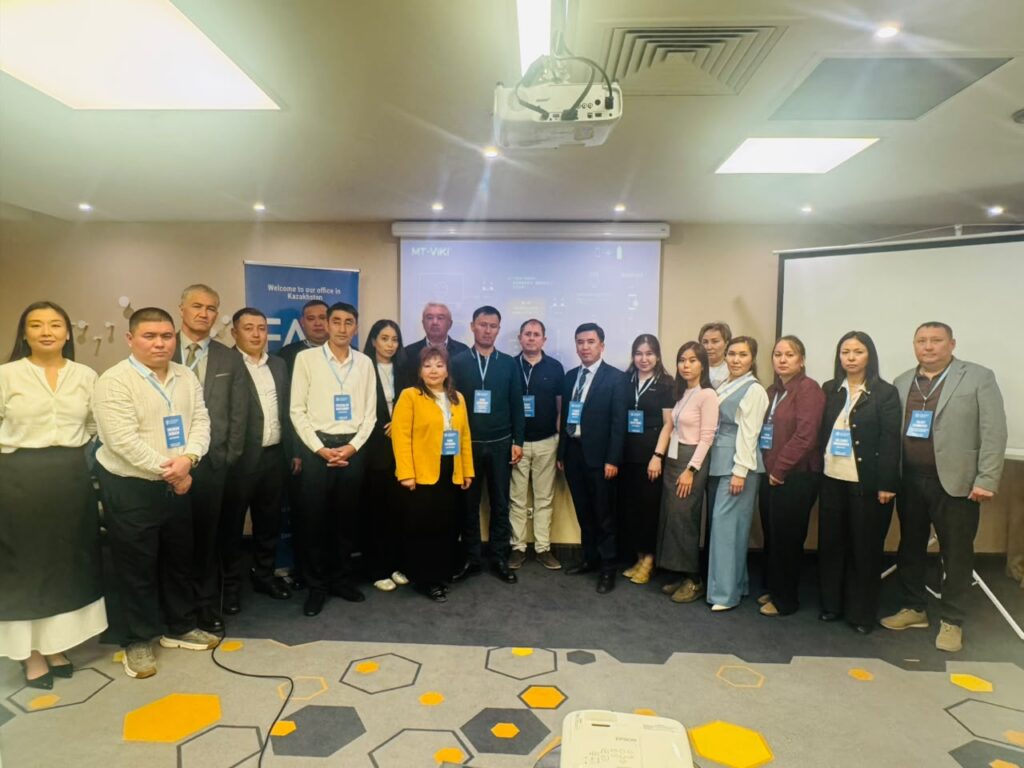
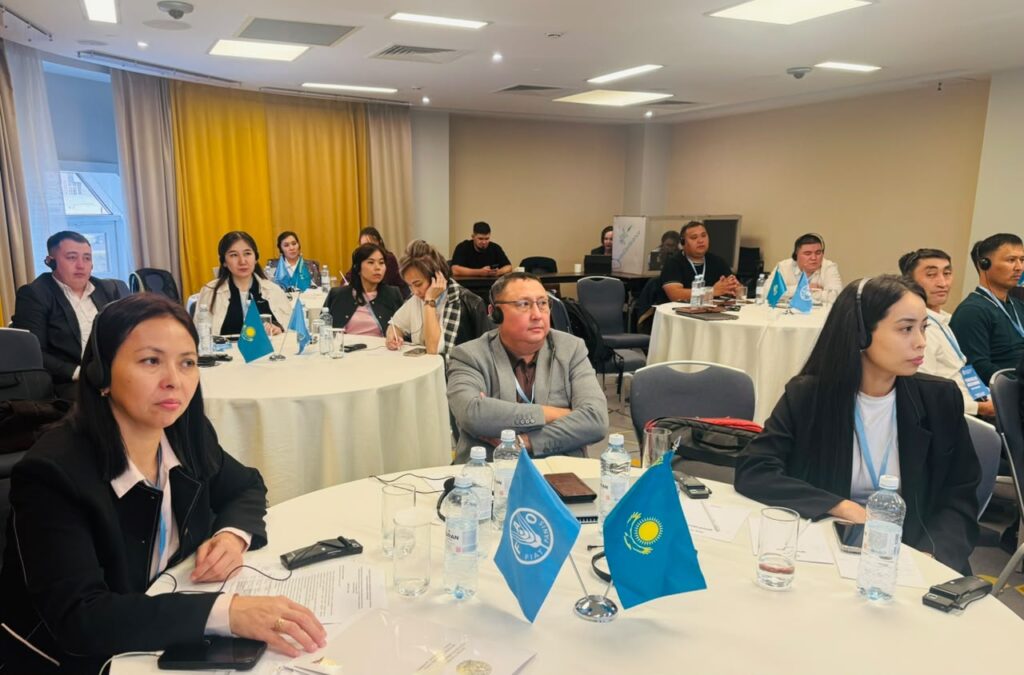
Food and Agriculture Organization of the United Nations (FAO) has launched a five-day practical workshop in Astana to strengthen the capacity of veterinary professionals in infectious disease surveillance and control, with a particular focus on brucellosis.
The workshop on applied veterinary epidemiology for infectious disease surveillance and control, taking place from 14 to 18 September 2026, brings together veterinary professionals across the country to develop practical skills in epidemiological surveillance, risk assessment, disease investigation and evidence-based disease control.
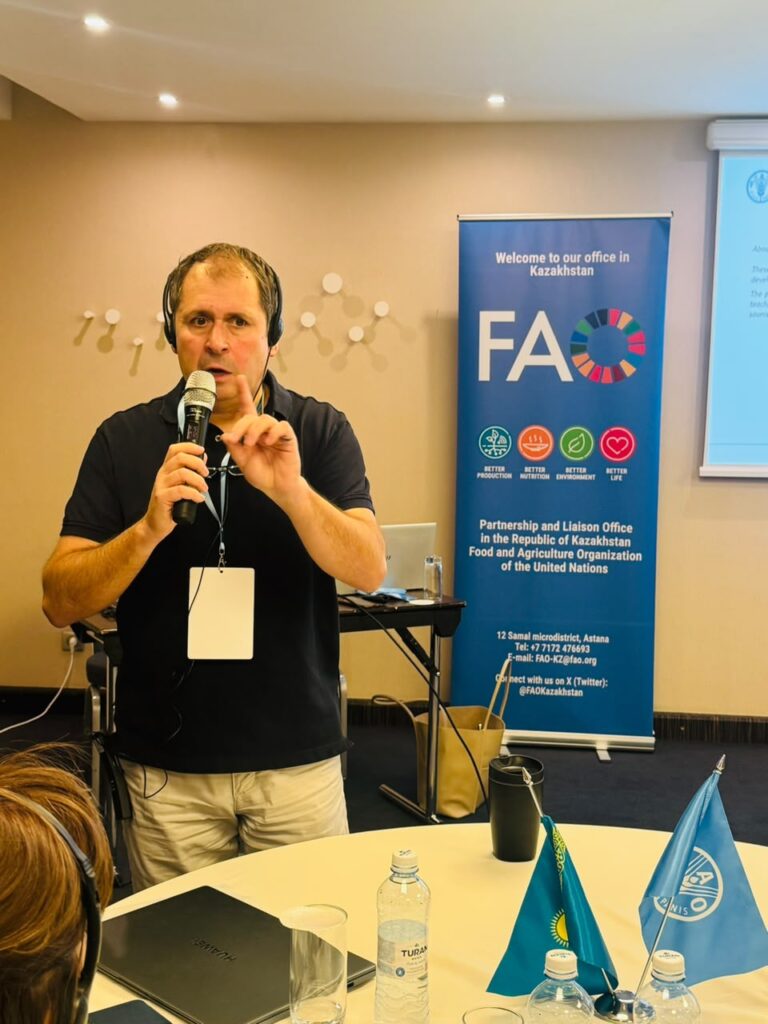
The workshop is led by Javier Guitian-Martinez, FAO Veterinary Epidemiologist and expert trainer, whose work focuses on strengthening applied veterinary epidemiology and risk-based approaches to animal health. FAO has previously worked with veterinary and public health stakeholders in Kazakhstan on strengthening surveillance, outbreak investigation and risk assessment capacities.
“Building practical epidemiological skills is essential for ensuring that veterinary services can detect diseases early, understand where risks are greatest and take timely, targeted action, this workshop provides participants with tools they can apply directly in their daily work, from interpreting surveillance data to investigating disease outbreaks and assessing risks” noted Javier Guitian-Martinez, FAO Veterinary Epidemiologist.
The first day of the workshop focused on establishing a common understanding of veterinary epidemiology and its practical application to animal health. Following a pre-course survey and group quiz, participants examined the role of veterinary epidemiology in animal health, followed by sessions on measuring disease frequency in animal populations. Practical exercises enabled participants to apply these concepts and strengthen their ability to interpret epidemiological information.
Next sessions focused on identifying and interpreting risk factors for disease, followed by a practical exercise on using epidemiological information to support disease control. This hands-on approach reflects the overall objective of the workshop: to equip veterinary professionals with practical competencies that can be applied to real-world animal health challenges.
Over the course of the five-day programme, participants will develop skills to contribute more effectively to animal health surveillance, including data collection, reporting and field investigations, and to understand the roles of frontline veterinary staff within broader surveillance systems.
The programme also covers mapping pathways for disease introduction, qualitative risk assessment, identification of high-risk animal populations, systematic outbreak investigation and analysis of surveillance and outbreak data using Microsoft Excel. Participants will also explore how simple digital tools can strengthen animal health surveillance and field investigations.
A particular focus is placed on brucellosis, including a case study examining surveillance and control of brucellosis in Kazakhstan and practical exercises assessing the strengths and weaknesses of existing approaches. Effective disease surveillance depends not only on systems and data, but also on the ability of veterinary professionals to interpret information, recognize risks and translate evidence into appropriate action.
By combining technical sessions with practical exercises, case studies and field-oriented scenarios, the workshop aims to strengthen the capacity of veterinary services to detect, assess and respond to infectious animal diseases, contributing to more targeted and risk-based prevention and control.
The training forms part of FAO’s continued support to Kazakhstan and the wider Central Asian region in strengthening veterinary surveillance, preparedness and disease control capacities. FAO’s recent work in Kazakhstan has also emphasized early disease detection, risk-based decision-making and stronger veterinary capacities under the One Health approach.